
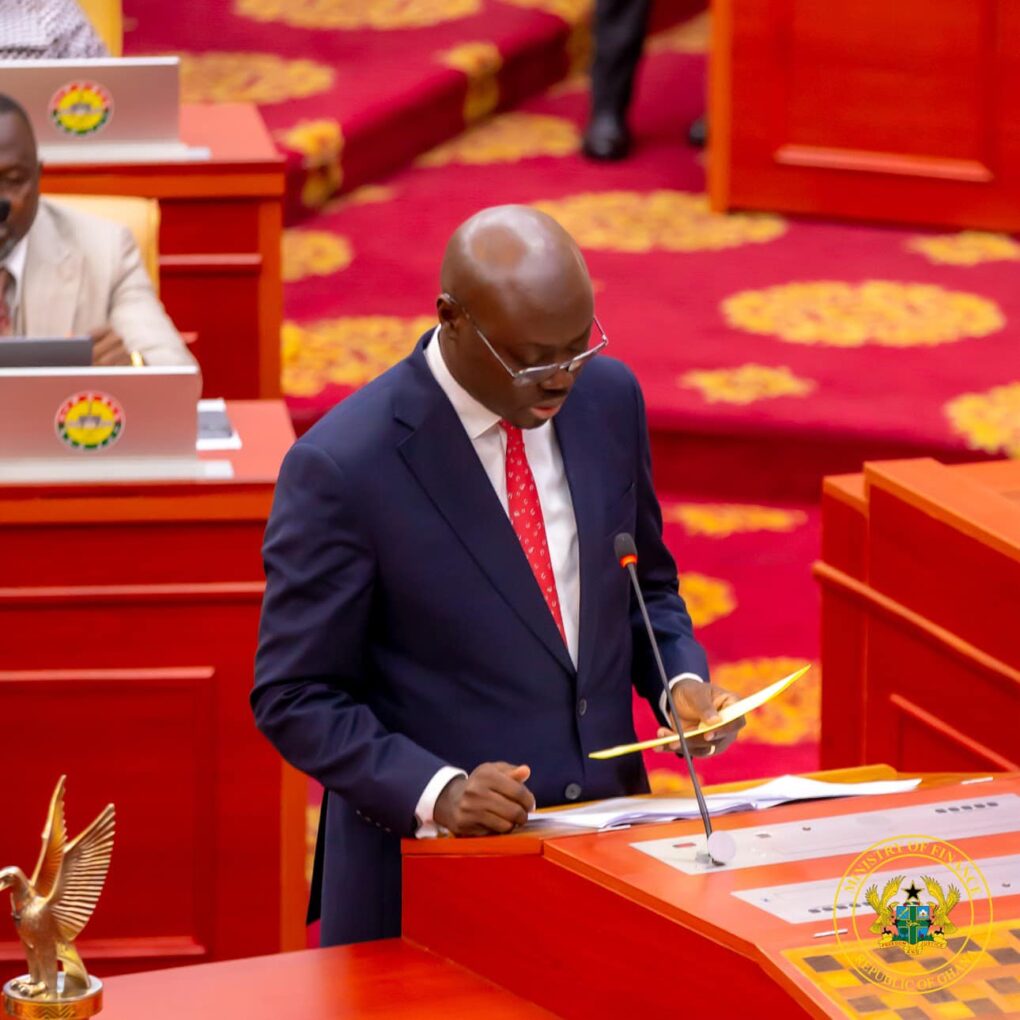
Dr. Cassiel Ato, Minister of Finance has said, the government would set aside money in the 2027 budget to put in place a long-term solution to the ongoing flooding in Accra and other areas of the nation that are vulnerable to floods.
The Finance Minister stated at the presentation of the 2026 Mid-Year Budget Review in Parliament on Thursday, July 23, that the government will invest in long-term solutions to address the recurrent floods that continue to impact infrastructure, property, and life.
He recognised the significant devastation brought about by the floods on June 29, which resulted in fatalities, family displacement, business disruptions, and damage to public infrastructure in numerous areas.
Dr. Forson states that the government responded swiftly to the catastrophe by organising national cleanup efforts, distributing emergency cash, and offering assistance to impacted towns.
He informed Parliament that the Ministry of Works, Housing, and Water Resources has been instructed by President John Dramani Mahama to create a comprehensive plan to address floods nationwide.
“The floods claimed lives, displaced families, destroyed businesses and caused extensive damage to public infrastructure. The government responded swiftly by visiting the hardest-hit communities, releasing funds and organising nationwide clean-up.
“The President has directed the Ministry of Works, Housing and Water Resources to develop a comprehensive and permanent solution to flooding in Accra and other flood-prone areas across the country. Funding for the implementation of this permanent solution will be provided in the 2027 Budget and the Medium Term,” he said.
The statement comes after several hours of intense rain on June 29 caused deadly floods in certain parts of Accra.
Roads, houses, businesses, and automobiles were submerged due to the flooding, which also hampered economic activity, forced many locals from their homes, and claimed numerous lives.
In order to lessen the effects of future floods, the tragedy rekindled calls for consistent investment in drainage infrastructure, better urban planning, routine drain desilting, and tighter enforcement of laws prohibiting development on waterways.
Source: newsthemegh.com