

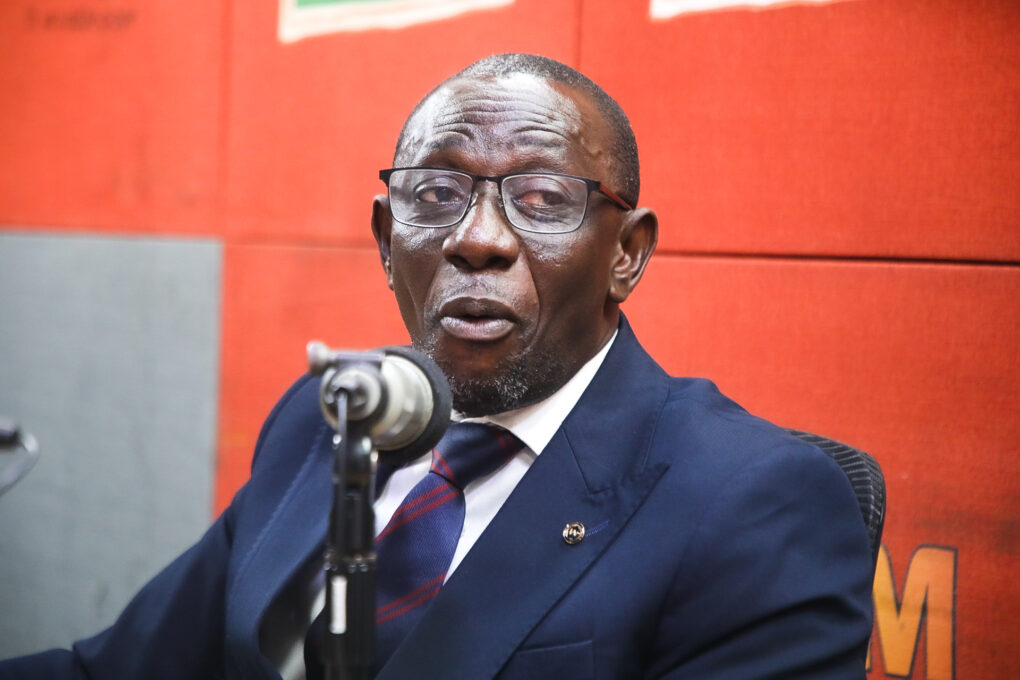
The Rent Control Department is preparing to assess and regulate the amount private hostels serving tertiary students can charge for accommodation, according to Acting Rent Commissioner Frederick Opoku.
Mr. Opoku said the department has already received about 100 applications from private hostel operators and intends to assess the facilities and determine appropriate rental charges before tertiary institutions reopen for the next academic year.
Speaking during an interview on Joy FM on Wednesday, August 19, 2026, the Acting Rent Commissioner said the assessment process is expected to be completed within three months.
Rent Control Cites Rent Act, 1963
Frederick Opoku said the exercise is being conducted under the Rent Act, 1963 (Act 220), which gives the Rent Control Department authority over rental premises across Ghana, with the exception of government-owned properties.
He disagreed with claims from the Hostel Owners Association that the Rent Control Department lacks the authority to determine hostel charges without a specific framework.
According to Mr. Opoku, private hostel operators remain subject to Ghana’s rent laws regardless of the amount they have invested in their facilities.
He also cited Section 10 of the Rent Act, saying rent officers have the authority to determine the rent payable for premises.
Hostel Operators Raise Concerns Over Rising Costs
However, Bishop Dr Akwasi Owusu-Bi, Chairman of the Hostel Owners Association, said hostel operators are not opposed to having their facilities assessed but questioned how the current exercise is being implemented.
He attributed the high cost of student hostel accommodation in Ghana partly to rising construction expenses and statutory charges paid to institutions including the Ghana Revenue Authority (GRA), Environmental Protection Agency (EPA), Ghana Tourism Authority and Ghana National Fire Service.
According to him, existing hostel rental charges were determined several years ago following concerns about accommodation costs during the previous administration.
He explained that a committee involving universities and hostel operators had previously worked on what was considered a reasonable rate for student accommodation.
Hostel Owners Cite Loans and Financial Pressure
Bishop Owusu-Bi further explained that many private hostels are financed through personal funds and short-term bank loans, which may have repayment periods of between one and three years.
He said some hostel owners are considering increasing their charges because their businesses are struggling financially.
He also disclosed that some hostel facilities have reportedly been sold by banks after owners failed to repay their loans.
Disagreement Over Kumasi Meeting
The Rent Control Department and hostel operators also disagreed over arrangements for a meeting in Kumasi.
Bishop Owusu-Bi claimed he invited the Acting Rent Commissioner to Kumasi for discussions but said Mr. Opoku requested that his travel expenses be covered.
Mr. Opoku confirmed that he declined to travel without an approved budget, arguing that public funds could not be used to attend a meeting organised by a private association.
He instead suggested that the hostel operators travel to Accra for discussions with the Rent Control Department.
Rent Commissioner Warns Hostel Operators
Mr. Opoku also warned private hostel operators who have not submitted their facilities for assessment, describing their failure to apply as an attempt to avoid the law.
He rejected the suggestion that private hostels should be treated as providers of a public service simply because they accommodate university students.
The Acting Rent Commissioner also alleged that a significant number of hostels in some areas may be operating illegally and failing to meet tax obligations. However, he did not clearly specify whether his 90 percent figure applied to hostels in Koforidua, private hostels generally or facilities targeted by the current enforcement exercise.
Concerns Over Students Losing Accommodation
Questions have also been raised about what will happen to students if some private hostels are found to be operating illegally and subsequently closed.
When asked about arrangements for students who could be affected by possible enforcement action, Mr. Opoku said he would advise the government to consider alternative accommodation arrangements.
The planned assessment is expected to generate further discussion about student accommodation costs, hostel regulation, rent control in Ghana and affordable housing for tertiary students.
Source: newsthemegh.com