
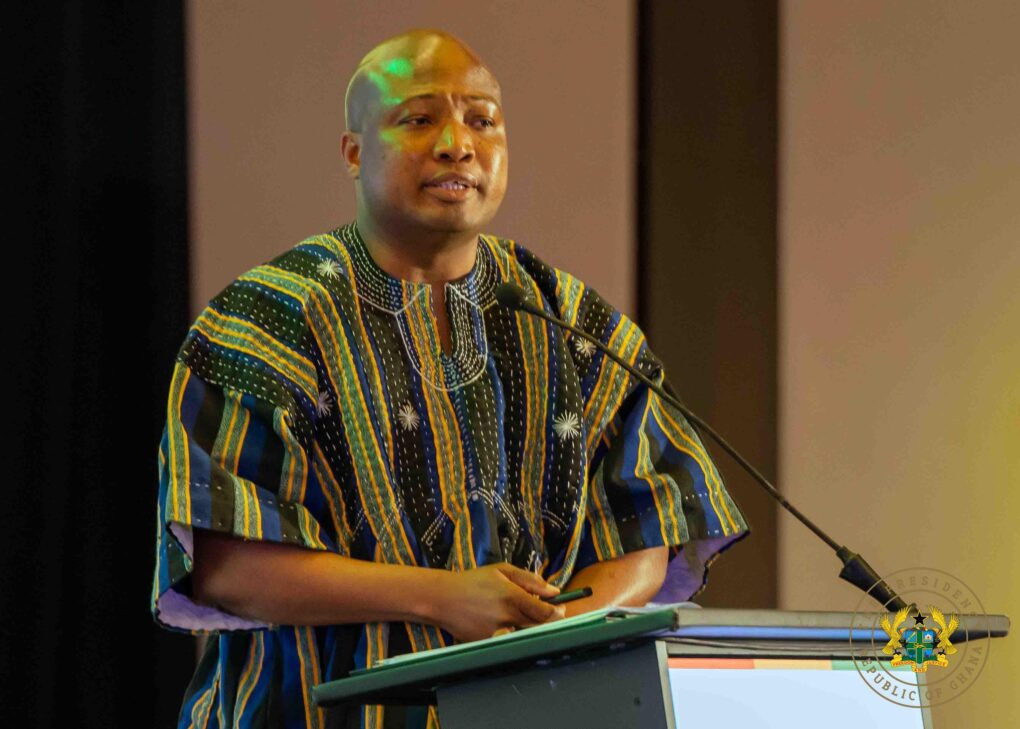
Ghana’s Minister of Foreign Affairs, Samuel Okudzeto Ablakwa, has announced that he has invited the Auditor-General to conduct a comprehensive audit of all evacuation exercises undertaken by the country since 2017.
The move, according to the minister, forms part of efforts to strengthen financial accountability, promote transparency in government spending and ensure that public funds are used appropriately.
Ablakwa disclosed this during an interview on TV3’s The Key Points programme on Saturday, October 10, 2026, amid growing calls from the Minority in Parliament for documentary evidence to support the government’s expenditure on the recent evacuation of Ghanaians from South Africa.
The minister said the audit would provide an opportunity for an independent examination of the financial records associated with evacuation exercises conducted over the period.
He also reaffirmed his willingness to account fully for the expenditure incurred during the voluntary evacuation of Ghanaian nationals seeking to return home following xenophobic attacks in South Africa.
According to Ablakwa, he has responded to the Minority’s Right to Information (RTI) request and formally written to the Auditor-General to initiate a thorough investigation into the evacuation accounts.
He maintained that the government had nothing to conceal regarding the expenditure.
Government Reports GH¢49.7 Million Evacuation Cost
The controversy follows a briefing by Ablakwa on September 7, 2026, during which he disclosed that the government spent GH¢49.7 million to evacuate 1,964 Ghanaians from South Africa amid concerns over xenophobic attacks.
The announcement prompted the Minority in Parliament to demand comprehensive documentation to independently verify the amount spent and the operational details of the exercise.
The Minority argues that public statements on government expenditure must be supported by financial records, invoices, payment documents and other relevant evidence that can be examined by Parliament and the public.
Although the opposition lawmakers have acknowledged the government’s decision to assist Ghanaians who wished to return home, they insist that transparency requires more than the announcement of a total expenditure figure.
Minority Demands Detailed Financial Records
The Deputy Ranking Member on Parliament’s Foreign Affairs Committee, Nana Asafo Adjei Ayeh, previously submitted a Right to Information request seeking detailed information about the evacuation exercise.
The request covers expenditure records and information on individuals and organisations that provided financial or other assistance, including the amounts contributed towards the operation.
Speaking to the media on September 10, following the Foreign Affairs Minister’s briefing, Asafo Adjei Ayeh clarified that the Minority was not seeking sensitive personal information about the evacuated individuals.
Instead, he said the opposition wanted sufficient documentation to verify the government’s account of how public funds were spent.
He argued that the reported evacuation of 1,964 people and the expenditure of GH¢49,721,786 should be supported by records that establish the accuracy of the figures.
The Minority has specifically called for reconciliation of passenger manifests, travel records, airline tickets, invoices and payment ledgers to establish that the operational records correspond with the reported expenditure.
It has also requested documentation showing that the reported liabilities were settled and that the final number of evacuees matches the figures contained in the government’s financial account.
Ablakwa Says He Has Responded to RTI Request
In response to the Minority’s concerns, Ablakwa confirmed that he had provided a response to the RTI request and had separately invited the Auditor-General to investigate the evacuation expenditure.
The minister said the decision to initiate a comprehensive audit reflects his commitment to financial accountability and transparency in the management of public resources.
The proposed audit is expected to provide an independent review of evacuation-related expenditure since 2017, although its findings and any conclusions have yet to be established.
Public Accountability at the Centre of Evacuation Debate
The disagreement has renewed attention on public financial management, access to government records and Parliament’s oversight responsibilities.
The Minority maintains that releasing the relevant documents would enable lawmakers and citizens to verify the reported costs without relying solely on statements made at press conferences.
Meanwhile, Ablakwa’s decision to involve the Auditor-General places independent financial scrutiny at the centre of the government’s response to the concerns.
The outcome of the audit could provide further clarity on the cost of Ghana’s evacuation exercises, the financial procedures followed and the management of public funds allocated to protect citizens abroad.
Source: newsthemegh.com