
Ghana has called on African parliaments to intensify oversight of governments to ensure that the African Continental Free Trade Area (AfCFTA) delivers tangible economic benefits across the continent.
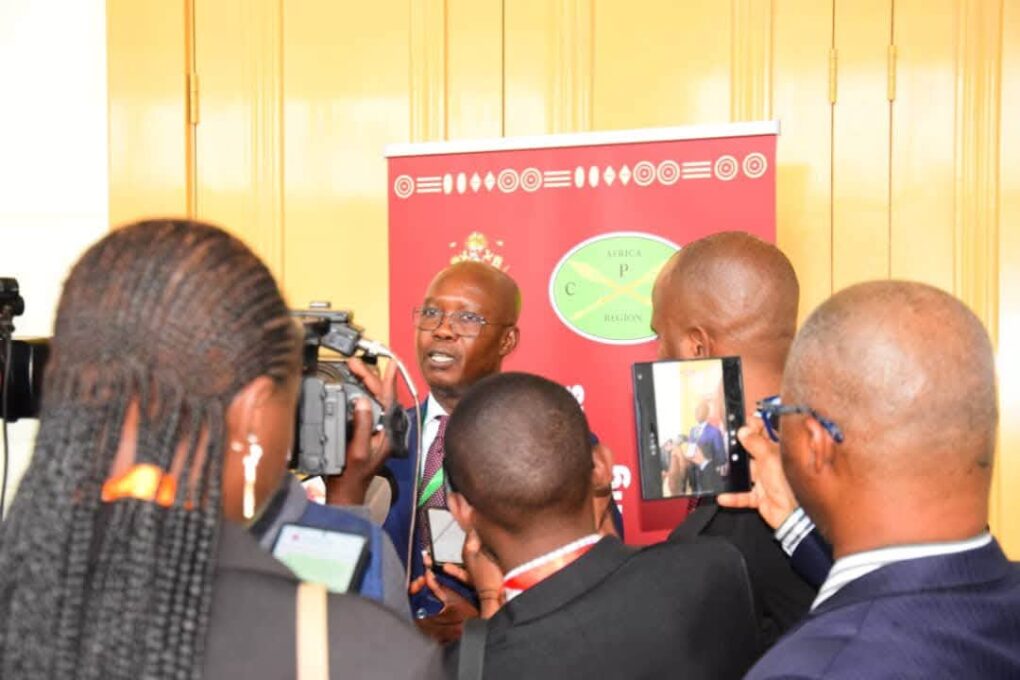
The call was made at the 55th Commonwealth Parliamentary Association (CPA) Africa Region Conference in Lilongwe, Malawi, where Ghana’s delegation was led by First Deputy Speaker of Parliament, Bernard Ahiafor.
Speaking on the implementation of AfCFTA, the Ghanaian delegation argued that signing the agreement was only the beginning. It stressed that parliaments must now ensure governments translate their commitments into practical results through effective monitoring, accountability and legislative oversight.
AfCFTA brings together all 55 African Union member states, representing approximately 1.4 billion people and a combined gross domestic product of about US$3.4 trillion.
According to World Bank projections, successful implementation of the agreement could increase regional incomes by up to 9 percent, create about 18 million jobs and lift 50 million people out of poverty by 2035.
However, Ghana’s delegation emphasised that these potential gains are not automatic and depend heavily on effective implementation across member states.
Major Challenges Facing AfCFTA
The delegation noted that African countries continue to trade more with countries outside the continent than with one another. High transportation costs, inadequate infrastructure, border delays and non-tariff barriers remain major obstacles to intra-African trade.
It proposed a five-question parliamentary oversight framework for every AfCFTA commitment:
- What was promised?
- Who is responsible for implementation?
- What resources were allocated?
- What has been achieved?
- What corrective action will be taken if implementation stalls?
The delegation said the framework should be supported by regular legislative reviews, budget monitoring and mandatory annual reports from governments on AfCFTA implementation.
It also identified documentation and certification requirements, border delays, weak digital infrastructure, cybersecurity challenges and limited cross-border payment systems as key barriers, particularly to the implementation of the AfCFTA Protocol on Digital Trade.

Ghana’s AfCFTA Progress
Ghana highlighted its own AfCFTA experience as a practical example of progress. The country hosts the AfCFTA Secretariat and had issued 105 certificates of origin by October 2024, compared with just one certificate in 2022.
Ghana was also identified as Africa’s leading exporter of digitally delivered services, recording approximately US$6.2 billion in such exports in 2022.
The country has established institutions including the National AfCFTA Coordination Office and an AfCFTA digital trade hub to support implementation.
Ghana’s free zones sector also employed more than 35,000 people and generated nearly US$973 million in export earnings in 2025, highlighting the potential of trade and industrial policies to support economic growth and job creation.
The delegation urged African governments to assess tax incentives and industrial policies based on measurable outcomes, including businesses established, local content utilised and jobs created, rather than relying solely on policy announcements.
Six Key Resolutions
The Ghanaian delegation concluded its presentation with six proposed resolutions aimed at improving AfCFTA implementation across Africa.
They include strengthening parliamentary scrutiny of AfCFTA-related laws, budgets and institutions; requiring annual government implementation reports; establishing mechanisms to monitor customs challenges and non-tariff barriers; providing sustainable and targeted funding; promoting greater participation by SMEs, women, young people and informal traders; and deepening cooperation among African parliaments through SoCATT and other parliamentary networks.
The call reinforces the growing role of African legislatures in ensuring that AfCFTA moves beyond policy commitments to deliver increased intra-African trade, investment, employment and inclusive economic development.
Source: newsthemegh.com