

The banking industry in Ghana is quietly but significantly changing as consumers gradually switch from traditional cash channels to mobile-first financial services.
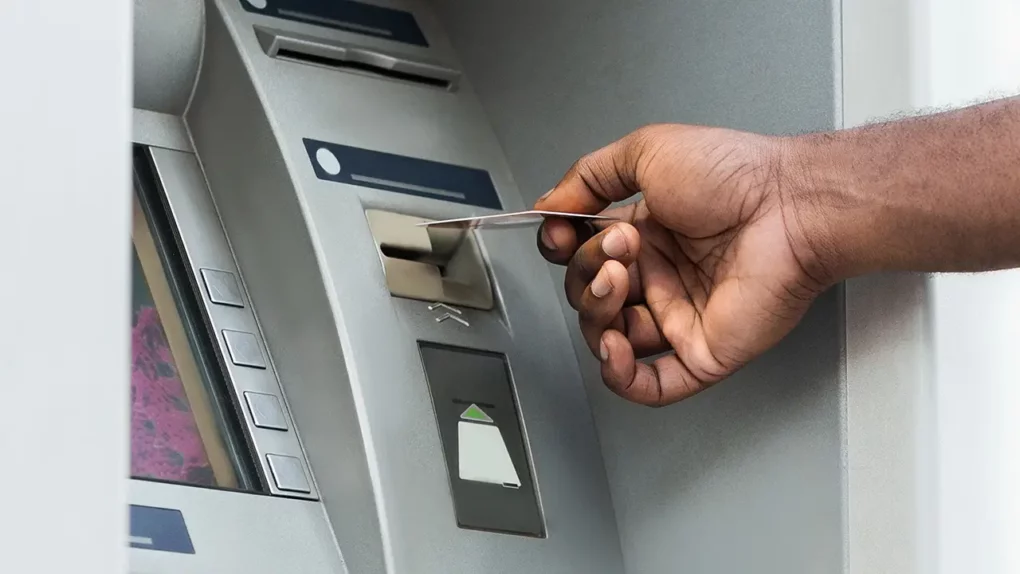
ATM usage dropped significantly to 16 percent in 2025 from 34 percent in 2024, according to new data from the 2025 KPMG West Africa Banking Industry Customer Experience Survey. This indicates a significant change in how Ghanaians access and transfer money.
Meanwhile, in 2025, the percentage of people using mobile money jumped to 80 percent, the highest since 2022 and a seven-percentage-point gain from the year before.
The research supports what banks, telecoms, and fintechs have long noted: consumers now value speed, convenience, and dependability over having physical access to cash.
Bank-owned digital platforms are under increasing pressure in spite of this change.
The second most popular channel is still mobile banking apps, which are used weekly by 44% of respondents, a decrease from 50% in 2024 and the second consecutive year of declines.
Given that mobile apps are meant to be banks’ main digital interaction channel, this tendency is especially alarming. By 2025, system availability and convenience of use increased by two points to 81.4 and 80.7, respectively, indicating that customer satisfaction rose even as utilisation decreased.
In particular, USSD banking is still essential for fund transfers, airtime purchases, and balance checks.
The fact that almost 26% of respondents utilise USSD on a weekly basis shows how relevant low-data, always-available solutions are.
Even though it is frequently seen as a legacy channel, its tenacity shows how crucial dependability and inclusion are to Ghana’s digital environment.
According to KPMG, as digital alternatives advance, ATMs—once a sign of financial power and geographic reach—are quickly becoming less relevant.
They haven’t completely vanished, though.
ATMs continue to be one of the top three monthly channels for Millennial clients and are still crucial for sporadic cash requirements.
All things considered, the digital trends shown by the survey indicate a stark and pressing fact: consumers are rewarding the few that perform the best rather than being impressed by the sheer volume of channels accessible.
The modern definition of digital excellence includes convenience, dependability, security, and transparency.
The issue facing banks and payment service providers is digital relevance rather than digital adoption.
Customers are making it clear that banking needs to be quick, easy, and mobile as Ghana’s economy stabilises and internet usage increases.
Source: newsthemegh.com