

Ghana’s road traffic light network is in terrible disrepair, with nearly four out of ten signals inactive or permanently decommissioned, according to a comprehensive April 2026 assessment provided by the Department of Urban Roads (DUR) and shared by Roads Minister Governs Kwame Agbodza.
The data presents a concerning image of a vital component of urban infrastructure under constant attack from careless drivers, organised crime groups, outdated equipment, and institutional bottlenecks, leaving the government in debt to the very contractors in charge of system upkeep.
Just 257, or 63%, of the 411 traffic signal installations spread throughout 11 regions under DUR’s control are now in use.
Significant traffic jams at important metropolitan intersections are caused by an additional 132 lights, or 32% of all signals. Due to structural problems or road redesigns, an additional 22 units, or 5% of the total, have been permanently deactivated.
Another issue is how the infrastructure is distributed geographically. With 241 installations, the Greater Accra Region alone is home to 59% of all signals, while the Ashanti Region has an additional 15% with 61.
There are currently no traffic signals under DUR supervision in five regions.
The network was affected by 587 different significant incidents between 2020 and 2026.
At key crossroads like Okponglo, Tesano, and Kasoa, poles, gantries, and controllers are frequently destroyed by careless driving and overspeeding. Vehicle crashes account for the vast majority of these incidents (77.5 percent, or 455 incidents).
An further 17.4 percent of occurrences (102 total) involve theft and vandalism, with organised syndicates actively targeting computerised controllers, solar panels, inverters, backup batteries, and subterranean copper connections.
Thirty more cases concern equipment that is so old that replacement components are no longer produced.
The Awoshie-Pokuase corridor provides a striking example of the extent of the devastation.
The solar array and control system at School Junction were destroyed in a violent collision that also claimed the life of the driver.
Thieves frequently circumvented security enclosures at Odorgono and Anyaa Market in order to remove microcontrollers and backup batteries.
Criminals have physically scaled above gantries throughout the corridor in order to cut and remove specific copper solar power supply lines.
Two compounded issues are seriously impeding restoration efforts. Procurement and maintenance procedures have been halted by contractual disagreements.
More importantly, the state is currently in debt to maintenance contractors for work that has already been finished, which has virtually stopped rapid-response restoration.
A $55 million court judgement debt pertaining to the Accra Intelligent Traffic Management contract is another issue Ghana is dealing with; this liability casts a shadow over the sector’s modernising plans.
The DUR is implementing lockable subterranean chamber slabs, heavier iron casing plates, heavy-duty steel burglarproof cages surrounding control cabinets and stringent identity procedures for permitted field workers in order to safeguard recently installed assets.
Additionally, efforts are being made to enforce the Road Traffic Regulations more strictly for destroying public road infrastructure.
In terms of technology, intelligent traffic systems are being used to provide long-term relief.
Currently in operation on the Neoplan-to-CBD corridor, the Area-Wide Traffic Signal Control System (AWTSCS) integrates 33 smart controllers, 80 CCTV cameras, and a Bus Priority System feeding into the Accra Traffic Management Center. It is funded by a partnership between the French Development Agency and the Government of Ghana.
However, because of ongoing legal challenges, the flagship Accra Intelligent Traffic Management System (AITMS) Phase II, which includes a cutting-edge Intelligent Tower command center, is just 23% complete, with vital high-tech hardware sitting idle in storage.
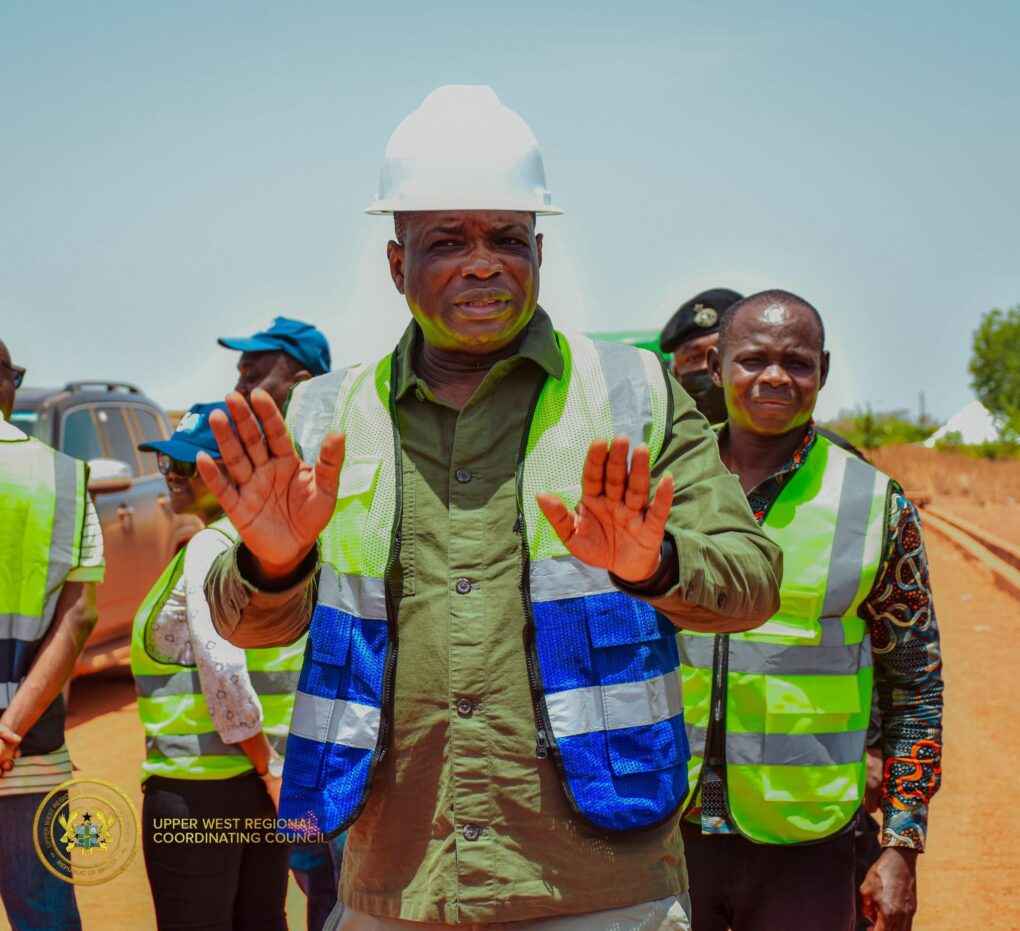
In announcing the assessment, Minister Agbodza urged the public to contribute to the preservation of road infrastructure, saying, “Let’s work together to keep our public road traffic lights working.”
Source: newsthemegh.com