
Writer Charles Moncar | [email protected]
One heavy rainfall can undo a lifetime of hard work.
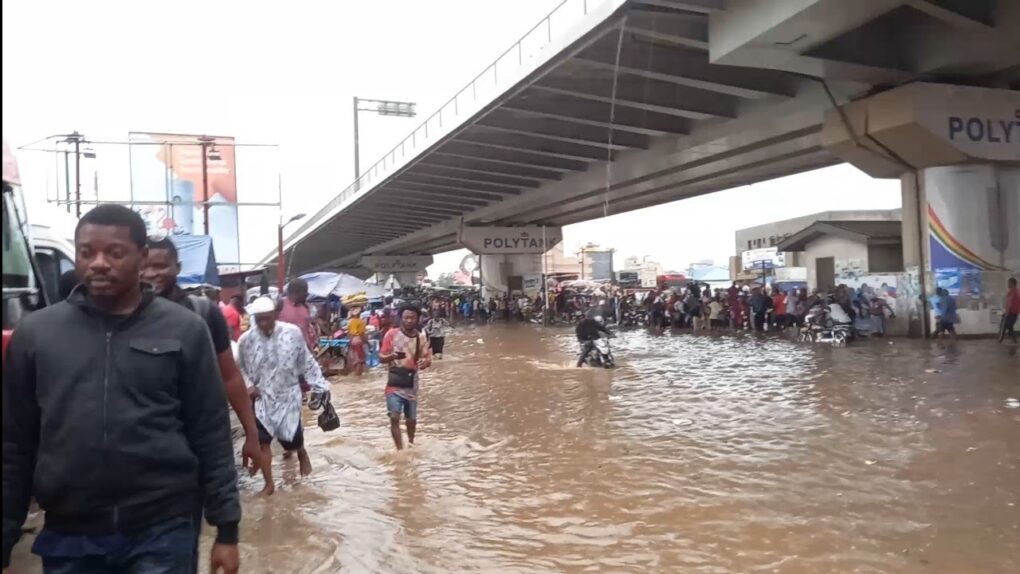
In just a few hours, floodwaters can sweep away homes, vehicles, family businesses, and the savings people spent decades building. For many Ghanaians, the recent floods were more than a natural disaster. They marked the heartbreaking moment when years of sacrifice disappeared beneath rising water, leaving families with little more than hope for a fresh start.
The scale of the destruction has been enormous. According to official reports, more than 7,700 households were displaced and over 38,000 people were affected by the latest floods, with lives tragically lost and entire communities left struggling to recover.
For a country already facing unemployment, rising living costs, and financial hardship, rebuilding cannot be limited to clearing roads and repairing damaged buildings. It calls for practical, forward-thinking ideas that help citizens rebuild their lives while creating lasting benefits for the nation as a whole.
A Recovery Plan That Benefits Everyone
Ghana has long restricted the importation of vehicles older than ten years under the current Customs (Amendment) framework introduced in 2020. The policy was designed with important objectives, including improving vehicle standards and addressing environmental concerns.

However, extraordinary situations sometimes require temporary solutions, especially when flooding leaves thousands of families without reliable transportation, businesses, or a way to earn a living.
One idea worth discussing is a three to four-year exemption allowing flood victims to import vehicles older than ten years, provided they are accident-free, inspected, and meet roadworthiness and safety requirements before entering the country.
This would not be a permanent policy change. It would be targeted relief for people who lost everything through no fault of their own.
Ghana already has pension and social security benefits through SSNIT and the country’s three-tier pension system. While these programs provide long-term financial support, they are not designed to replace vehicles, tools, or businesses destroyed by natural disasters. A temporary import exemption could serve as an additional recovery measure during this national emergency.
Instead of depending entirely on direct compensation, affected families could rebuild their lives by purchasing affordable replacement vehicles while still paying the required import duties. The government would continue generating revenue through customs while helping citizens recover faster.
Turning Flooded Vehicles Into National Resources
The proposal becomes even stronger when the damaged vehicles themselves are viewed differently.
Instead of thousands of flood-damaged cars remaining abandoned in neighborhoods and workshops, the government could establish collection centers across the country and purchase these vehicles for recycling.
Steel and metal recovered from the flood vehicles could supply industries such as VALCO, Ghana Steel, Rider Steel, Sentuo Steel, B5 Plus Steel, Tema Steel Works, and other manufacturers that require raw materials for fabrication, construction, bridges, housing projects, and public infrastructure instead of exporting these to other Countries.
Rather than seeing flooded vehicles as waste, they become valuable industrial resources that support local manufacturing while reducing environmental hazards.
This approach strengthens both economic recovery and long-term disaster management, transforming the aftermath of floods into an opportunity for national development.
Creating Jobs While Cleaning Communities
Such an initiative would generate employment across multiple sectors.
Workers would be needed to inspect vehicles, dismantle parts, transport scrap metal, manage collection centers, operate recycling facilities, and supply manufacturers with processed materials.
Collection points established across different locations would reduce transportation costs, keep abandoned vehicles out of communities, and create additional jobs in logistics and vehicle handling while adding less pressure on the existing roads equally affected by the flood and erosion
At the same time, abandoned vehicles currently occupying workshops and roadsides could finally be cleared, improving safety and reducing environmental hazards like we saw dozens of these and other properties swept directly into major drainage channels and rivers like the Odawna River amongst others
Every stage of the process creates economic activity while making communities cleaner and Safer. This is the vision behind the Win – Win Proposal for consideration by the Executive, Legislature and Judiciary championed by Mr. Abraham Charles Moncar.

Safer Roads for the Future
Many vehicles currently operating on Ghana’s roads have undergone extensive repairs over the years, often using incompatible replacement parts due to affordability challenges. Flood recovery presents an opportunity to gradually replace many of these aging vehicles with better-condition imports that meet inspection standards.
This could improve road safety while reducing electrical faults commonly associated with heavily repaired flood-damaged vehicles and most vehicles associated with fire caused by Electrical challenges mainly due to untapped wires and also cars without Fire Extinguishers.
It would also reduce the number of converted right-hand-drive vehicles whose modifications sometimes raise safety concerns, allowing more factory-built vehicles to remain in their original condition.
A Conversation Worth Having
No single proposal will solve every challenge created by flooding.
Drainage improvements, better urban planning, stronger enforcement of building regulations, environmental protection, and emergency preparedness must remain national priorities.
Yet recovery also requires bold thinking.
A temporary vehicle import exemption linked with a national vehicle recycling program would help families rebuild, create jobs, support local manufacturing, generate customs revenue, and transform flood waste into productive raw materials for national development.
It could also encourage more vehicle imports through Ghana’s ports. With more affordable import conditions, fewer importers may look to neighboring countries, allowing customs duties to remain within Ghana while supporting economic recovery. You will agree that the duty paid for these cars at the port of Entry is far better than these same cars auctioned cheaper.
Sometimes the best solutions emerge when governments and citizens are willing to look beyond traditional responses.
Perhaps the greatest opportunity hidden within this disaster is not simply rebuilding what was lost, but creating a recovery model that leaves Ghana stronger, creates employment, improves disaster management, and gives families a practical path toward rebuilding their lives.
Source: newsthemegh.com