

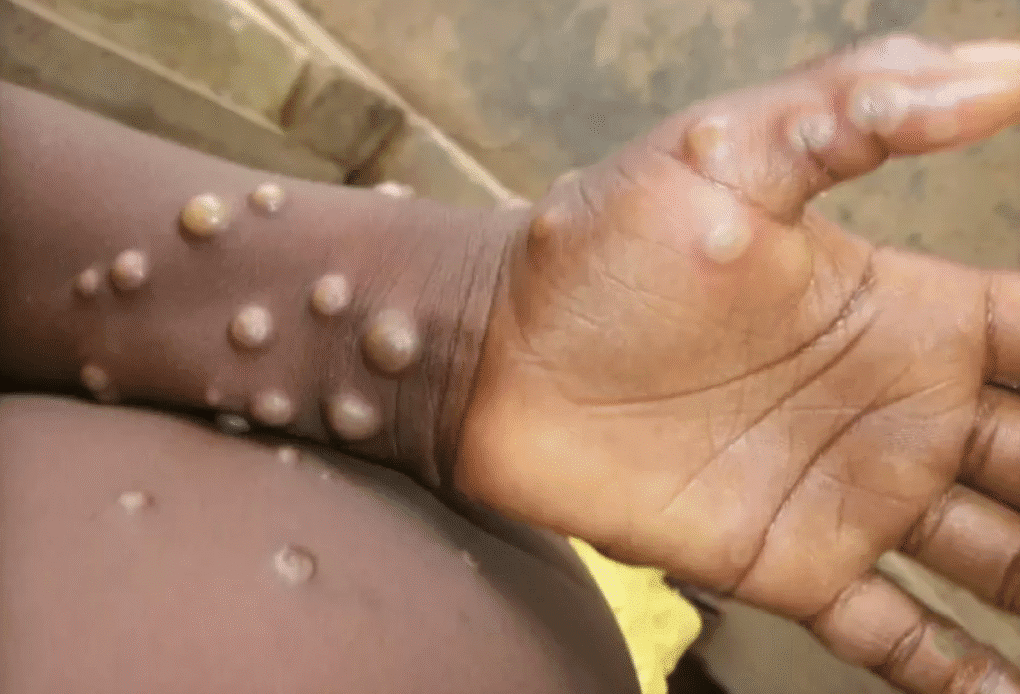
As of July 30, 2025, the Ghana Health Service (GHS) has confirmed 20 additional cases of Mpox, bringing the total number of cases in the nation to 302.
This most recent update comes after the first Mpox-related fatality in the nation was announced on July 22. Additionally, 23 new cases were confirmed, bringing the total to 257.
Health officials caution that intimate physical contact with infected people, including coming into contact with rashes, body fluids, or contaminated objects, is still the main way that the virus, commonly known as monkeypox, spreads.
The GHS issued public advice advising people to remain vigilant, keep away from people who are exhibiting symptoms, and report suspected instances to the closest medical facility.
Body pains, fever, and a characteristic rash are common symptoms.
“Protect yourself and others by avoiding close contact with those showing symptoms, and ensure you report any suspected signs,” the statement read.
The latest death has raised worries, especially for vulnerable populations including children, pregnant women, and people with pre-existing medical disorders, even though the majority of cases end without any problems.
The GHS emphasized that isolation and early discovery are still the best ways to contain the outbreak. Public awareness initiatives are being stepped up, contacts are being tracked, and regional cooperation is being improved.
In order to combat misinformation and support containment efforts, the Service also encouraged the public to look for updates from reputable sources.
A new variant of Mpox has emerged in Africa, prompting the World Health Organization (WHO) to proclaim it a Public Health Emergency of International Concern in August of last year.
At the moment, Mpox cases have been documented in over 13 African nations.
The WHO has issued this caution for the second time in two years.
According to the Africa Centers for Disease Control and Prevention, there were 517 recorded deaths and more than 17,000 probable cases throughout the continent as of last year.
With over 20,000 cases documented in Africa, the WHO’s approval of the Mpox vaccine is anticipated to provide “timely and increased access” for people who are at risk.

Source: newsthemegh.com