
Ghana’s year-on-year inflation rate increased to 5.5 per cent in October 2026, up from 5.2 per cent recorded in September, as rising non-food prices and services costs outweighed the continued decline in food inflation.
The latest figures released by the Ghana Statistical Service (GSS) indicate a 0.3 percentage-point increase in the country’s headline inflation rate.
Despite the latest rise, Ghana’s inflation rate remains significantly lower than the 8 per cent recorded in October 2025, representing a 2.5 percentage-point reduction over the 12-month period.
The October inflation figures suggest that price pressures in Ghana’s economy are increasingly shifting away from food products towards non-food items and services, which continue to put pressure on household spending and the cost of living.
Food Inflation Drops to 2.8% in October 2026
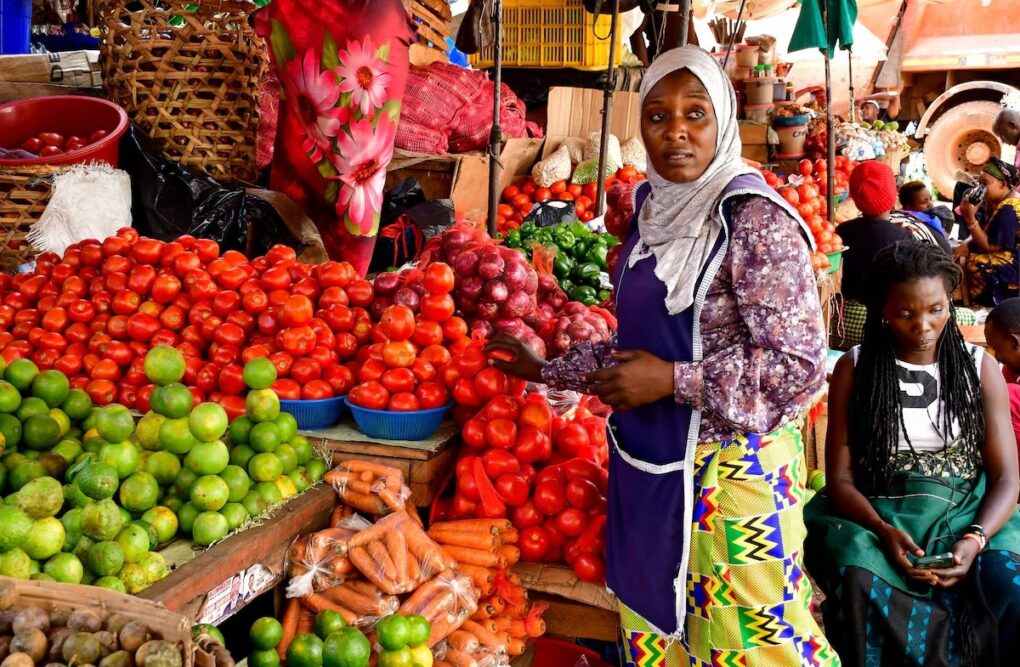
Food inflation recorded another decline in October, falling to 2.8 per cent from 4 per cent in September 2026.
The moderation in food prices provided some relief to consumers, particularly households facing persistent increases in the cost of essential goods and groceries.
However, the improvement in food inflation was offset by increases in other components of the Consumer Price Index (CPI).
Non-food inflation rose to 7.9 per cent in October from 6.2 per cent in September, indicating stronger price increases across goods and services outside the food category.
Services inflation recorded an even sharper increase, climbing to 11.5 per cent from 8.3 per cent over the same period.
The significant rise in services inflation highlights growing cost pressures in areas such as transportation, housing-related services and other household expenses.
These increases could continue to affect the purchasing power of consumers, even as food prices become relatively more stable.
Locally Produced Goods Record Higher Inflation
A breakdown of inflation by the origin of products also revealed a widening difference between locally produced and imported goods.
Inflation for locally produced items increased to 6.9 per cent in October 2026, compared with 6.4 per cent in September.
Meanwhile, inflation for imported goods remained unchanged at 2.4 per cent during the reporting period.
The figures indicate that domestic price pressures remain considerably stronger than those affecting imported products.
This suggests that the slowdown in imported inflation has not yet translated into similar price stability for locally manufactured and produced goods.
The trend also highlights the importance of domestic production costs, supply conditions and other local economic factors in determining consumer prices in Ghana.
Ghana Records 0.1% Monthly Deflation in October
Despite the increase in annual inflation, Ghana’s Consumer Price Index recorded a 0.1 per cent month-on-month decline in October 2026.
This represents a significant improvement compared with September, when consumer prices increased by 1.1 per cent.
The monthly decline was largely driven by a 2 per cent reduction in food prices during October.
The contrasting movements between annual and monthly inflation highlight an important distinction in measuring changes in the cost of living.
While year-on-year inflation measures how consumer prices have changed compared with the same month in the previous year, month-on-month inflation tracks price movements between consecutive months.
Consequently, Ghana’s latest inflation figures show that although the pace of annual price increases has edged upward, consumers experienced a slight overall reduction in average prices during October.
The latest developments will remain important for households, businesses, investors and policymakers as Ghana continues to monitor inflation trends, purchasing power and the broader economic recovery.
Source: newsthemegh.com