
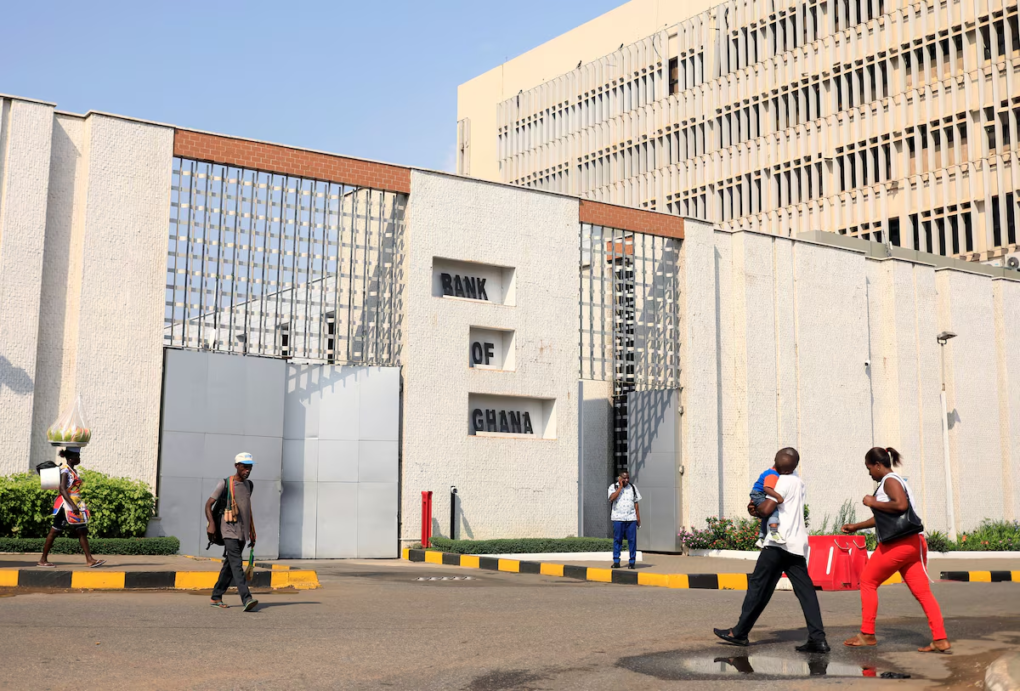
Private remittance inflows into Ghana declined slightly to US$3.65 billion in the first half of 2026, compared with US$3.93 billion recorded during the same period in 2025, according to the July 2026 Monetary Policy Report from the Bank of Ghana (BoG).
The latest figures represent a moderate decline in Ghana’s remittance inflows, highlighting changes in international money transfers and foreign exchange flows into the country during the first six months of the year.
Meanwhile, the Bank of Ghana reported a significant increase in net income payments to non-residents. The figure rose to US$2.88 billion in the first half of 2026, up from US$2.27 billion recorded during the corresponding period in 2025.
According to the central bank, the increase was largely driven by higher payments relating to interest, corporate profits and dividends to non-residents.
The report also indicated that Ghana’s capital account recorded net transfers of approximately US$94.07 million during the period. The inflows were mainly supported by project grants, which contributed to the country’s external financial position.
As a result, the combined surplus recorded in Ghana’s current account and capital account reached approximately US$5.20 billion.
The Bank of Ghana noted that the development has helped maintain Ghana’s net lending position with the rest of the world, despite the marginal decline in private remittance inflows.
Private remittances remain an important source of foreign exchange for Ghana, supporting household incomes, consumption and the country’s external financial position.
The latest data will be closely watched by economists, investors and policymakers as Ghana continues to strengthen its balance of payments, foreign exchange reserves and macroeconomic stability.
Source: newsthemegh.com