

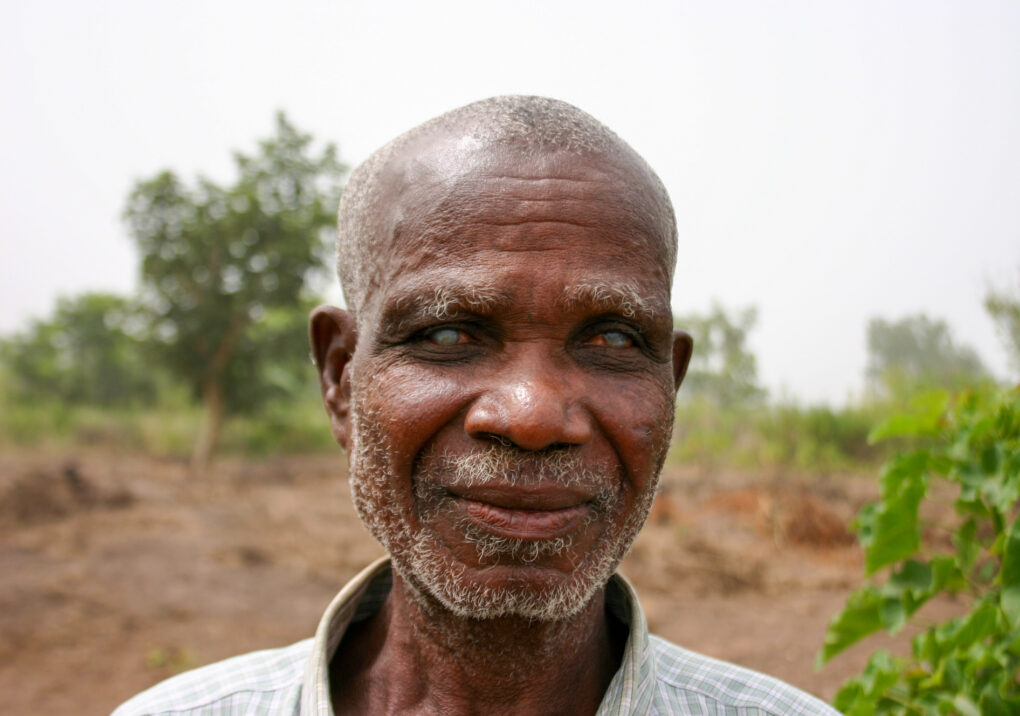
The first wave of the 2026 Mass Drug Administration (MDA) exercise is scheduled to start on June 20, 2026, by the Eastern Regional Health Directorate of the Ghana Health Service (GHS) in order to safeguard populations at risk of Onchocerciasis, often known as River Blindness.
The exercise is a component of Ghana’s national effort to eradicate Neglected Tropical Diseases (NTDs), which still afflict disadvantaged groups, especially in underserved and rural areas.
The GHS states that the “Eastern Region is endemic to NTDs such as onchocerciasis (river blindness), leprosy, yaws, elephantiasis, schistosomiasis, soil transmitted helminthiasis, Buruli ulcer, rabies, and scabies.”
Dr. Moses Barimah Djimatey, the Director of Public Health, told the media on Monday, June 15, 2026, that 168,467 people in the Eastern Region are thought to be at risk of getting onchocerciasis, and that 134,774 eligible people are intended to receive treatment during this year’s campaign.
Kwahu East, Kwahu Afram Plains North, Kwahu Afram Plains South, and Ayensuano are the four districts that will conduct the mass drug administration exercise, which would encompass 19 sub-districts.
The parasitic worm Onchocerca volvulus causes onchocerciasis, which is spread via the bite of an infected blackfly that breeds near swift-moving rivers.
Severe itching, skin abnormalities, vision problems, and, in more severe cases, irreversible blindness are all possible outcomes of the illness.
According to health officials, the best way to stop transmission, lower infection levels, prevent disability, and assist Ghana’s eradication goals is to administer Ivermectin tablets in large quantities.
Trained Community-based Drug Distributors (CDDs) will distribute the medications in accordance with height-based dose recommendations, along with community mobilisation and public education initiatives.
Pregnant women, toddlers under 90 centimetres in height, mothers nursing infants under one week old, and people with significant illnesses are among the groups that will not be allowed to participate in the activity.
Additionally, the Directorate asked residents to instantly report any bad reactions to medical personnel or the closest health facility and advised recipients to abstain from alcohol within 24 hours before and after taking the prescription.
Alcohol should not be consumed before or after taking medication (± 24 hours).
Notify the neighbourhood drug distributor or the closest medical facility of any negative drug reactions.
Religious leaders, traditional authorities, assembly members, and community stakeholders are urged by the Eastern Regional Health Directorate to assist in raising awareness and promoting full participation among citizens who qualify.
According to health officials, the long-term eradication of river blindness in the area and the prevention of preventable blindness depend on widespread community involvement.
The Regional Health Directorate pleaded, ““Humbly request All Religious Leaders, Assemblymen, Traditional Leaders in implementing communities to support in awareness creation and monitoring the update of Oncho drug.Let all eligible individuals in beneficiary communities fully participated in the first round of Onchocerciasis MDA to prevent avoidable blindness.”
Source: newsthemegh.com