
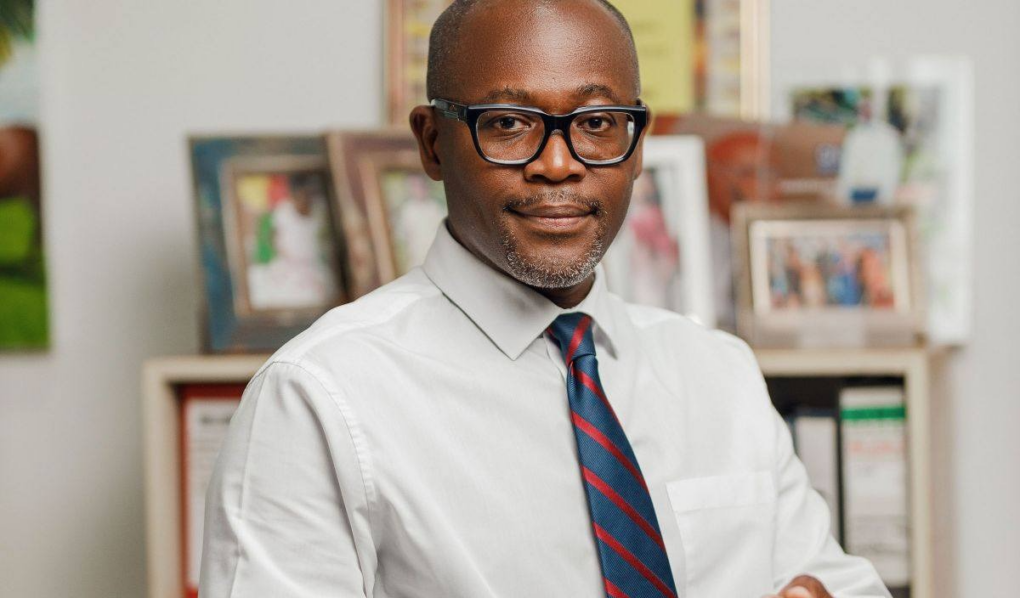
Hotel businesses in Ghana are facing growing financial pressure as high taxes, utility bills, water supply challenges and rising operating costs make it increasingly difficult for operators to keep accommodation prices affordable.
The President of the Ghana Hotels Association, Victor Minta, says hotels in the Central Region are among those experiencing significant challenges, with some facilities in Elmina reportedly relying on water tankers after going for almost three months without a regular water supply.
According to Mr. Minta, the rising cost of providing basic services has become a major concern for businesses within Ghana’s hospitality and tourism industry.
He explained that hotels in Elmina have had to purchase water from tankers to meet the needs of guests and maintain facilities such as swimming pools, significantly increasing their operational expenses.
Hotel Taxes Add to Rising Business Costs
Mr. Minta also raised concerns about the impact of taxes on hotel businesses in Ghana, saying operators are struggling to manage their finances amid increasing operational expenses.
He explained that a substantial portion of revenue from hotel room sales goes towards taxes, leaving businesses with less money to pay for utilities, staff, maintenance and other operational costs.
According to him, a hotel room sold for around GH¢100 could attract approximately 20 percent in taxes, leaving about GH¢80 to cover the cost of running the business.
The Ghana Hotels Association President said the situation is putting additional pressure on hotel operators who are already dealing with high utility and maintenance costs.
Ghana Hotels Prepare Festive Promotions
Despite the challenges facing the hospitality industry, hotels are preparing Christmas and Yuletide promotions aimed at attracting more visitors and boosting tourism activity.
Mr. Minta said hotels are considering special accommodation packages designed to encourage tourists to stay longer.
Some of the planned promotions could include offers where guests who book several nights receive an additional night free.
The initiative is expected to encourage more people to travel within Ghana during the festive season while providing hotels with an opportunity to increase occupancy.
Road Construction Affects Hotel Occupancy
Hotels in the Central Region are also facing challenges linked to ongoing road construction projects, which Mr. Minta says have contributed to a significant decline in tourism-related business.
He disclosed that occupancy at his hotel has dropped from an average of between 40 and 45 percent to about 28 or 29 percent.
According to him, lengthy travel times caused by road construction are discouraging some tourists from visiting the Central Region and affecting businesses that depend heavily on tourism.
He has therefore called on authorities to take measures to reduce the disruption caused by major road projects and improve accessibility to tourist destinations.
Domestic Tourists Remain Vital to Ghana’s Hospitality Industry
Mr. Minta also urged authorities and industry stakeholders to undertake a more detailed analysis of Ghana’s tourism statistics, particularly by comparing domestic tourism trends with international visitor arrivals.
He said this would help determine whether the tourism industry is experiencing genuine overall growth.
Data from the Ghana Statistical Service (GSS) Accommodation Unit Survey indicate that domestic guest numbers ranged between approximately 1.87 million and 2.17 million per month during the four-month period covered by the survey.
In comparison, the number of foreign guests remained below 40,000 per month, highlighting the importance of the domestic market to Ghana’s accommodation sector.
The report noted that domestic guests accounted for the large majority of recorded guests during the period.
Hostels recorded the highest number of domestic guests, reaching 934,157 in January 2025.
The figures underscore the growing importance of domestic tourism in Ghana, while also highlighting the need for policies that can reduce operating costs, improve infrastructure and strengthen the hospitality industry.
Source: newsthemegh.com