
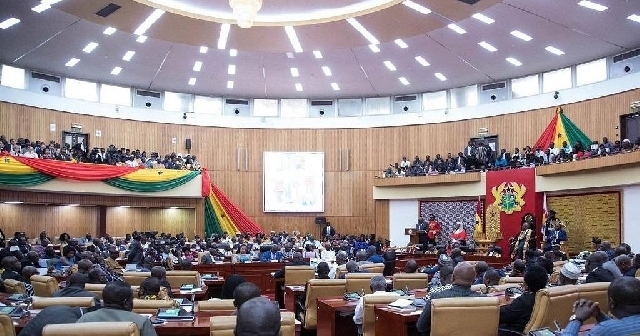
Ghana’s Parliament has approved the Energy Sector Levies (Amendment) Bill, 2026, introducing key changes to the Energy Sector Levies Act, 2025 as part of the government’s strategy to boost revenue mobilisation, reduce tax evasion, and improve oversight of the country’s fuel subsidy system.
Under the new legislation, the Energy Sector Shortfall and Debt Repayment Levy on fuel oil has increased significantly from GH¢0.24 per litre to GH¢1.93 per litre, matching the levy already applied to diesel and marine gas oil. The amendment also expands the Road Fund Levy to include fuel oil.
The government says these reforms are necessary to close major revenue leakages in the petroleum sector and eliminate fraudulent practices that have weakened subsidy programmes intended to support local industries and businesses.
Presenting the bill in Parliament, Finance Minister Dr Cassiel Ato Forson explained that some fuel dealers had been exploiting loopholes by purchasing diesel, reclassifying it as fuel oil, and illegally claiming tax exemptions reserved for industrial consumers. According to the minister, the amendment is expected to strengthen tax compliance, safeguard public revenue, and enhance the efficiency of Ghana’s energy sector and economic policy.
Finance Minister Dr Cassiel Ato Forson has revealed that some individuals have been exploiting Ghana’s fuel subsidy system by purchasing diesel, falsely declaring it as fuel oil, and illegally benefiting from tax exemptions meant exclusively for industrial users.
To address this abuse, the government will maintain tax relief for genuine industries but will introduce a new tax refund process. Instead of receiving the exemption before payment, companies importing fuel oil for industrial operations will now pay the required levies upfront and claim a refund afterward.
According to Dr Forson, the revised system ensures that only legitimate businesses benefit from the incentive, noting that fuel oil is primarily used in industrial production rather than by motorists.
The Finance Minister emphasized that the amendment does not impose any new tax on petroleum products or increase fuel prices. Instead, it reforms the administration of existing tax exemptions to improve accountability and strengthen revenue mobilisation.
He also announced plans to amend the Revenue Administration Act to accelerate the refund process for qualifying industries, reducing the waiting period from 90 days to just 14 days. The move is expected to improve cash flow for manufacturers while protecting government revenue.
Dr Forson disclosed that Ghana lost an estimated US$25 million during the first half of 2026 due to fraudulent activities within the fuel subsidy regime. Without corrective measures, the country could lose nearly GH¢1 billion annually through similar tax evasion schemes.
The government believes the new energy sector reforms will strengthen the integrity of Ghana’s downstream petroleum sector, eliminate revenue leakages, curb fuel-related tax fraud, and ensure that subsidy benefits are reserved for legitimate industrial consumers.
Read the full Energy Sector Levies (Amendment) Bill, 2026 below:
Source: newsthemegh.com