
Illegal mining, popularly known as galamsey, is responsible for approximately 25 percent of fibre-optic cable cuts recorded across Ghana, Communications, Digital Technology and Innovations Minister Samuel Nartey George has disclosed.
The Minister said the increasing destruction of underground telecommunications infrastructure by illegal miners poses a major threat to the stability and reliability of Ghana’s internet and communications networks.
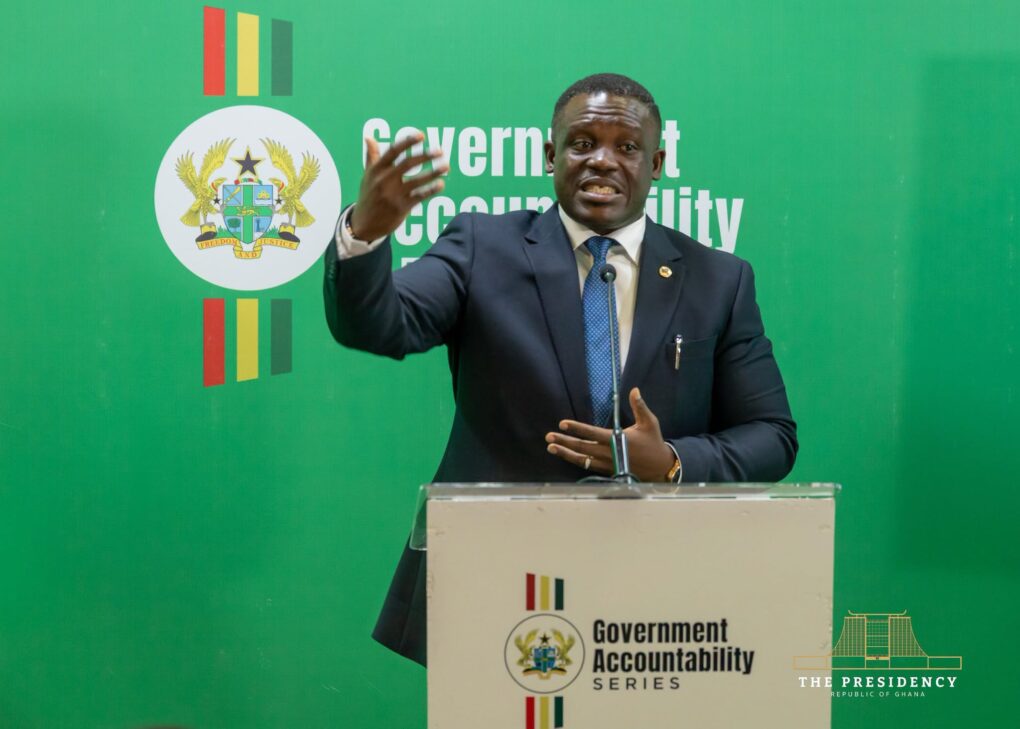
Speaking at the Government Accountability Series on Monday, September 7, Mr George identified galamsey as one of the leading causes of damage to Ghana’s fibre-optic network, alongside road construction projects and activities by private developers.
Galamsey Damaging Ghana’s Fibre-Optic Infrastructure
According to Sam George, illegal miners frequently damage underground fibre cables while carrying out excavation activities.
Unlike some legitimate construction operators who report accidental damage to telecommunications infrastructure, illegal mining operators often fail to notify telecommunications companies or relevant authorities after cutting fibre-optic cables.
The Minister stated that approximately one out of every four fibre cuts in Ghana is linked to galamsey, making illegal mining a significant challenge for the country’s telecommunications industry.
Fibre Cuts Threaten Internet Services in Ghana
Mr George explained that the problem is particularly serious because fibre-optic networks serve as the backbone of Ghana’s telecommunications infrastructure.
The infrastructure carries large volumes of internet data, voice calls and other digital communications across the country.
When fibre-optic cables are damaged, telecommunications operators may experience service disruptions, affecting internet connectivity, mobile communications and other digital services.
The impact can be more severe in locations where there are limited alternative fibre routes to maintain network connectivity.
Telecom Companies Face Rising Repair Costs
The Communications Minister also highlighted the financial impact of repeated fibre-optic cable damage on telecommunications companies operating in Ghana.
When underground cables are cut, telecom operators are required to deploy technical teams and specialised equipment to locate the damaged sections, repair the cables and restore telecommunications services.
These repeated repairs increase operational costs for telecom companies and can also contribute to prolonged service interruptions for consumers and businesses.
Road Construction and Private Development Also Cause Fibre Cuts
Sam George noted that road construction and activities undertaken by private developers also contribute significantly to fibre-optic cable damage in Ghana.
However, he distinguished these incidents from galamsey-related damage, explaining that road contractors generally report cases where their activities accidentally affect underground telecommunications infrastructure.
The lack of notification by illegal miners makes it more difficult for telecom operators to respond quickly and restore damaged networks.
Galamsey Poses Threat to Ghana’s Digital Economy
The Minister warned that continued destruction of telecommunications infrastructure by illegal mining operators could undermine the reliability of digital services and increase network disruptions across the country.
As Ghana expands its digital economy, digital transformation and technology infrastructure, the protection of fibre-optic networks has become increasingly important.
Reliable telecommunications infrastructure is essential for businesses, government services, online education, financial technology, mobile money services and other digital activities.
Mr George therefore stressed the need to address the impact of illegal mining on Ghana’s fibre-optic infrastructure to safeguard the country’s telecommunications network and support sustainable digital development.
Source: newsthemegh.com