
The Ministry of Foreign Affairs is set to establish a Ghanaian Diaspora Consular Fund to provide financial support for emergency assistance, evacuation and repatriation of Ghanaians facing difficult situations outside the country.
The proposed fund will create a dedicated and sustainable source of emergency funding to enable the government to respond quickly to crises involving Ghanaian nationals abroad, including urgent evacuations, repatriation exercises, medical emergencies and other consular interventions.
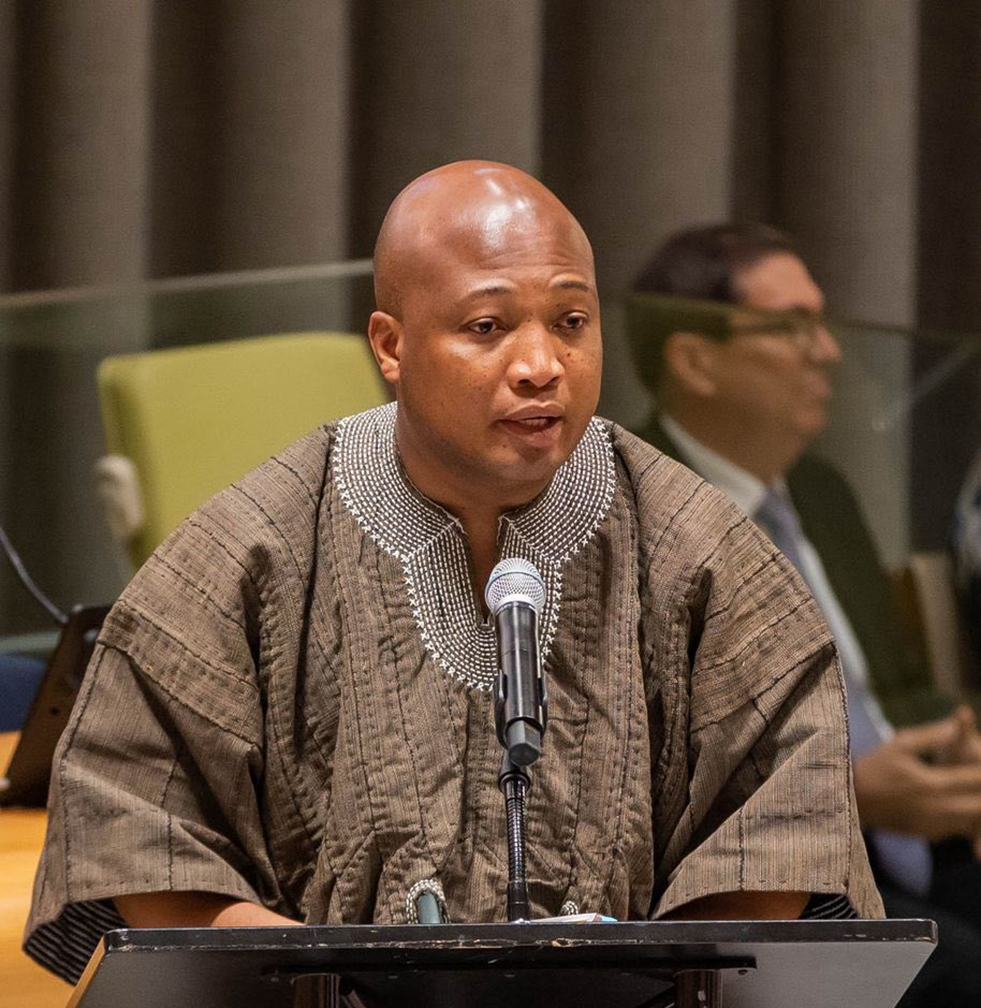
The Minister of Foreign Affairs, Samuel Okudzeto Ablakwa, announced the initiative in Accra on Monday during a media briefing following the completion of the evacuation of Ghanaian nationals from South Africa.
According to the Minister, the new fund will allow the government to mobilise resources more efficiently to protect the rights, dignity, safety and welfare of Ghanaians living or travelling abroad.
Ghana Evacuates 1,964 Citizens from South Africa
The announcement comes after the government successfully evacuated 1,964 Ghanaians from South Africa following renewed xenophobic attacks, intimidation and growing anti-foreigner sentiments against African nationals.
Mr Ablakwa explained that repeated emergencies requiring the repatriation of Ghanaians from different countries had created significant financial and logistical pressure on the government and Ghana’s diplomatic missions.
He said the recent experiences had highlighted the importance of having a permanent financial mechanism capable of supporting emergency consular operations without depending entirely on ad hoc funding arrangements.
The Minister said the proposed Ghanaian Diaspora Consular Fund would provide a structured way for the government to quickly raise and deploy resources whenever Ghanaian citizens face emergencies abroad.
Nearly 5,000 Ghanaians Repatriated Since 2025
Mr Ablakwa disclosed that 4,972 Ghanaians had been repatriated to Ghana between 2025 and September 2026 through interventions by the Foreign Affairs Ministry, Ghanaian diplomatic missions and international partners.
The repatriation figures include:
- 3,807 Ghanaians from Libya
- 440 Ghanaians from Côte d’Ivoire, including victims linked to QNET activities and a demolition exercise
- 246 Ghanaians from Nigeria, also linked to QNET-related cases
- 244 Ghanaians from Cambodia
- 201 Ghanaians from Algeria
- 18 Ghanaians from Kuwait
- 8 Ghanaians from Sierra Leone
- 5 Ghanaians from Mauritius
- 2 Ghanaians from Morocco
- 1 Ghanaian from Iraq
The Minister said the repeated repatriation exercises demonstrated the growing financial and logistical demands involved in assisting Ghanaians stranded or in distress abroad.
South Africa Evacuation Cost Government GH¢49.7 Million
The government spent a total of GH¢49,721,786 on the evacuation of Ghanaian nationals from South Africa.
The exercise began on May 27, 2026, and ended on September 4, 2026, following the deterioration of the security situation in parts of the country.
According to Mr Ablakwa, GH¢38,835,512 was spent on chartered flights, air tickets, ground transportation, feeding, hotel accommodation, medical treatment and hospitalisation.
An additional GH¢10,802,000 was used for reintegration and transportation allowances, while GH¢84,274 covered the repatriation of two mortal remains.
The Ghana government contributed GH¢33,721,786 towards the evacuation, while Engineers and Planners, owned by businessman Ibrahim Mahama, donated GH¢16 million to support the operation.
Mr Ablakwa said the entire cost of the evacuation had been settled and that there were no outstanding financial liabilities from the exercise.
Four Ghanaians Died Amid South Africa Security Crisis
The evacuation followed a worsening security situation in parts of South Africa, where anti-foreigner sentiments intensified from April 2026.
The Foreign Affairs Minister said the crisis resulted in the loss of lives and destruction of property belonging to some Ghanaian nationals.
According to him, four Ghanaians lost their lives during the period of heightened insecurity.
The situation, he noted, reinforced the need for Ghana to maintain a strong and rapid-response system capable of protecting citizens whenever their safety and security are threatened abroad.
New Fund to Strengthen Consular Assistance
The proposed Ghanaian Diaspora Consular Fund is expected to complement the work of Ghana’s diplomatic missions by providing financial resources for emergency interventions involving Ghanaian nationals.
Mr Ablakwa said the fund would not only address situations similar to the South Africa crisis but would also support emergency repatriation and consular assistance for Ghanaians facing challenges in different parts of the world.
He reaffirmed the government’s commitment to protecting the lives and welfare of Ghanaian citizens wherever they may be and ensuring that appropriate action is taken whenever their safety is at risk.
Government Warns Ghanaians About Illegal Recruitment Agencies
The Foreign Affairs Minister also urged Ghanaians, particularly the youth, to exercise caution when dealing with illegal recruitment agencies and human trafficking networks.
He warned that some groups promising attractive employment opportunities and better living conditions abroad could expose unsuspecting Ghanaians to dangerous situations, exploitation and other forms of abuse.
Mr Ablakwa said the government had intensified efforts to clamp down on criminal networks involved in illegal recruitment and human trafficking.
He stressed that as Ghana continues to undertake repatriation exercises for citizens stranded or in distress abroad, stronger emergency response systems will remain essential.
The establishment of the Ghanaian Diaspora Consular Fund is therefore expected to provide a dedicated framework for mobilising resources quickly and strengthening Ghana’s ability to protect its citizens during emergencies overseas.
Source: newsthemegh.com