
A United Nations (UN) committee has stated that countries have a legal obligation to consider reparations for the transatlantic slave trade and take concrete measures to address the lasting impact of racial discrimination against people of African descent.
The guidance was issued by the UN Committee on the Elimination of Racial Discrimination (CERD) and published on Monday. It argues that the responsibility of states is based on the legally binding 1965 International Convention on the Elimination of All Forms of Racial Discrimination, rather than the laws that existed during the period of the transatlantic slave trade.
The committee described its position as a major “paradigm shift”, moving the reparations debate away from questions about historical responsibility and towards the current legal obligations of governments.
According to the UN document, countries that are parties to the convention should implement comprehensive reparatory measures for people of African descent, covering different forms of remedies and addressing the continuing consequences of slavery and racial discrimination.
The guidance could also become an important reference in international and domestic court cases involving slavery reparations and racial justice.
Millions of Africans Affected by Transatlantic Slave Trade
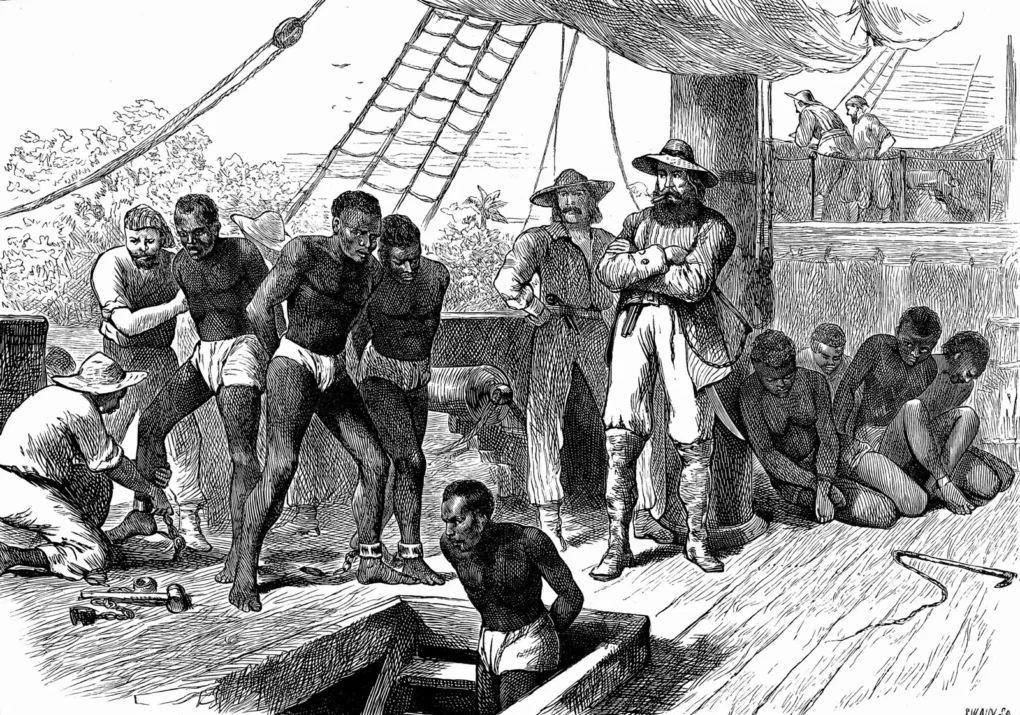
The UN committee estimates that at least 12.5 million Africans were captured and sold between the 15th and 19th centuries during the transatlantic slave trade.
The committee described the forced movement of Africans as the largest forced displacement in history, with consequences that continue to affect communities and societies today.
International calls for slavery reparations have grown in recent years, with proposals ranging from formal government apologies and historical recognition to financial compensation and social development programmes.
However, governments, institutions and other opponents of reparations have argued that present-day states should not be held legally responsible for historical crimes committed centuries ago.
The issue remains controversial internationally. The European Union and the United Kingdom abstained from a UN resolution concerning slavery in March.
UN Challenges Legal Arguments Against Reparations
Some governments have previously challenged slavery-related compensation claims in court by relying on the intertemporality principle.
This argument maintains that the transatlantic slave trade should be assessed according to international law as it existed at the time, when there were no comparable international legal rules prohibiting the practice.
However, the UN committee’s new guidance takes a different position.
It argues that even if slavery and the slave trade were not illegal under the international legal framework of the period, countries are still bound by their current international human rights obligations to address the continuing effects of racial discrimination and structural inequality.
The committee therefore maintains that historical legal status does not remove the present responsibility of states to tackle inequalities linked to the legacy of slavery.
Financial Compensation Not the Only Form of Reparations
The UN committee stressed that financial compensation alone would not be enough to address the consequences of the transatlantic slave trade.
It called for broader and transformative measures, including opening historical archives, reviewing public monuments and memorials, and establishing independent truth and reconciliation commissions.
Such measures, according to the committee, could help societies acknowledge historical injustices, preserve accurate records and recognise the experiences of people whose suffering was ignored or minimised.
UN Expert Calls for Concrete Action
Pela Boker-Wilson, a committee expert from Liberia who contributed to drafting the guidance, said governments should move beyond general expressions of regret and take practical steps to address the legacy of slavery and racial discrimination.
She called on states to review existing laws, policies and institutional practices and implement meaningful measures that recognise the dignity of people of African descent.
The latest UN guidance is expected to add momentum to the global debate over slavery reparations, racial justice and historical accountability, while potentially providing a new legal framework for governments and courts considering claims linked to the enduring effects of the transatlantic slave trade.
Source: newsthemegh.com