
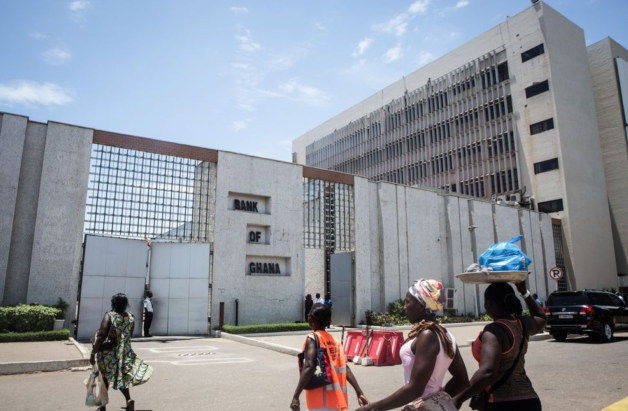
The Bank of Ghana (BoG) has directed commercial banks and other financial institutions in the country to reduce their non-performing loan (NPL) ratios to the regulatory limit of 10% by the end of December 2026.
The directive forms part of the central bank’s broader efforts to improve banking sector stability, strengthen credit risk management and promote sustainable growth in Ghana’s financial sector.
Governor of the Bank of Ghana, Dr Johnson Pandit Asiama, announced the directive at the Annual General Meeting of the Ghana Association of Banks. He explained that although the banking industry has made progress following recent economic challenges, financial institutions must intensify efforts to improve loan recovery and maintain high asset quality.
Bank of Ghana Reports Decline in Non-Performing Loans
According to Dr Asiama, Ghana’s banking sector non-performing loan ratio declined from 20.7% in August 2025 to approximately 18.7% in August 2026. Despite the improvement, the Governor stressed that banks must do more to meet the prudential NPL threshold of 10% by December 2026.
He urged banks to strengthen their loan monitoring systems, improve debt recovery procedures and address the underlying causes of bad loans. The central bank is shifting its regulatory focus beyond setting aside provisions for troubled loans to ensuring that banks actively prevent and resolve loan defaults.
The directive is expected to place greater emphasis on responsible lending, effective credit assessment, improved loan collection and stronger risk management practices across Ghana’s banking industry.
Ghana’s Banking Sector Assets Rise to GH¢500.2 Billion
Dr Asiama also disclosed that total banking sector assets increased by 20.4% to GH¢500.2 billion in August 2026, compared with GH¢415 billion recorded in the same period of the previous year.
The banking sector’s capital adequacy ratio also improved from 18.3% to 19.1%, exceeding the regulatory minimum requirement of 13%. This improvement indicates that banks have strengthened their capital positions and are better placed to absorb potential financial losses.
The Governor confirmed that all 23 banks operating in Ghana had met the applicable regulatory capital requirements. However, he cautioned that restoring adequate capital levels should not be considered the end of the recovery process.
He encouraged banks to maintain sufficient capital buffers in line with their individual risk profiles and prepare for possible economic shocks that could affect lending, profitability and financial stability.
Ghana Association of Banks Calls for Stronger Risk Management
Meanwhile, Chief Executive Officer of the Ghana Association of Banks, John Awuah, has called on financial institutions to strengthen risk management as the banking sector moves from economic recovery towards long-term transformation.
Mr Awuah noted that Ghana’s banks had responded positively to recent economic difficulties by improving their balance sheets, strengthening capital positions, maintaining profitability and expanding deposits and customer lending.
However, he warned that the industry must not become complacent about the progress achieved. According to him, the next phase of development requires banks to use their improved financial position to build a more resilient, competitive and inclusive banking sector.
He also highlighted the need for banks to adapt their business models to changing economic conditions, particularly as inflation and interest rates decline.
Cybersecurity, Fraud and Artificial Intelligence Pose New Challenges
The Ghana Association of Banks CEO identified several emerging risks that require greater attention from financial institutions. These include declining asset quality, banking fraud, cybersecurity threats, technological disruption, competition from financial technology companies (fintechs) and the growing use of artificial intelligence (AI).
He stressed that banks must invest in modern banking technology, strengthen digital security systems and improve operational risk management to protect customers and maintain confidence in the financial system.
The growing adoption of digital financial services also makes it essential for banks to improve fraud prevention measures, protect customer data and ensure the security of electronic transactions.
What the New NPL Directive Means for Ghana’s Banking Industry
The Bank of Ghana’s directive signals increased regulatory pressure on banks to improve loan performance and reduce bad debts. Meeting the 10% non-performing loan target could require financial institutions to strengthen lending standards, intensify loan recovery and improve the monitoring of borrowers.
For customers and businesses, stronger credit risk management could contribute to a more stable financial system and support sustainable lending over time. However, the effects on loan approvals and credit conditions will depend on how individual banks implement the directive.
As Ghana’s banking industry continues to recover and expand, the central bank is urging financial institutions to prioritise asset quality, adequate capitalisation, responsible lending and long-term financial resilience.
The broader objective is to build a stable, inclusive and technology-driven banking sector capable of supporting Ghana’s economic growth while protecting financial stability.
Source: newsthemegh.com