
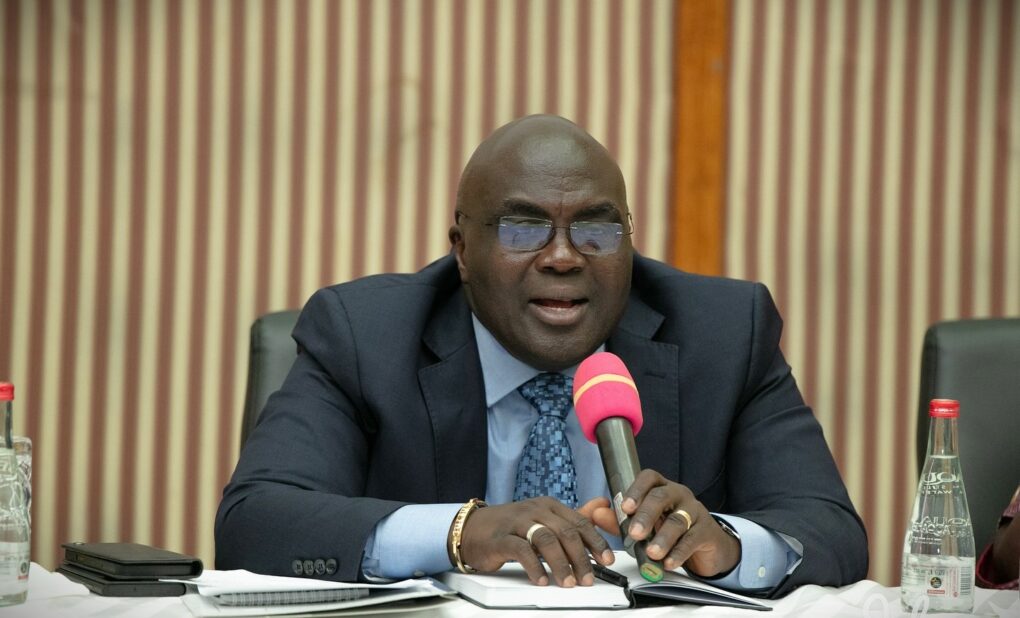
Chief of Staff Julius Debrah has linked Ghana’s worsening sanitation problems and the persistent threat of illegal mining, popularly known as galamsey, partly to the gradual erosion of traditional values and cultural heritage.
Speaking at the Clean Conference in Accra, Mr Debrah said Ghana’s environmental challenges could be addressed more effectively if citizens revived traditional practices that encouraged communal responsibility, cleanliness and respect for nature.
The conference, held under the theme “Assessing Ghana’s Progress Towards the UN SDGs,” focused on the country’s progress towards achieving the United Nations Sustainable Development Goals (SDGs) by 2030, amid growing concerns over pollution, environmental degradation and sanitation.
Mr Debrah explained that traditional Ghanaian communities historically had systems that encouraged residents to protect communal resources, maintain clean surroundings and safeguard forests and water bodies.
According to him, the decline of these cultural practices has contributed to attitudes that have enabled the continued destruction of Ghana’s forests, rivers and other natural resources.
Galamsey Fight Requires Change in Attitude
The Chief of Staff stressed that the fight against illegal mining in Ghana cannot be won through government enforcement and policies alone. He said there must also be a significant change in public attitudes towards environmental protection.
He encouraged Ghanaians, particularly the youth, to reconnect with the country’s cultural heritage and learn from traditional practices that promoted environmental stewardship, sanitation and social responsibility.
Ga Mantse Calls for Stronger Role for Traditional Leaders
The Ga Mantse, Nii Teiko Tsuru II, also highlighted the connection between the decline of traditional values and Ghana’s sanitation challenges.
In a speech delivered on his behalf, the Ga Mantse called for a return to cultural practices that promoted clean communities, responsible citizenship and respect for communal spaces.
He noted that the Ga State had historically placed strong emphasis on sanitation and communal responsibility. He therefore called for traditional institutions to play a greater role in educating communities and promoting environmental protection.
Nii Teiko Tsuru II further urged the Government of Ghana, traditional authorities and local communities to work together to tackle the country’s sanitation crisis.
He said chiefs should be empowered to support initiatives aimed at maintaining clean communities, protecting public spaces and promoting responsible environmental practices.
German Ambassador Urges Collective Action on Natural Resources
The German Ambassador to Ghana, Frederik Landshoft, stressed that Ghana’s natural resources should be protected for both present and future generations.
He called on traditional leaders, religious organisations, civil society groups and other stakeholders to support efforts to restore positive cultural values and make environmental protection a shared national responsibility.
The discussions at the Clean Conference highlight the importance of combining government policies, public education, traditional leadership and community participation to tackle galamsey, illegal mining, pollution, poor sanitation and environmental degradation in Ghana.
Source: newsthemegh.com