
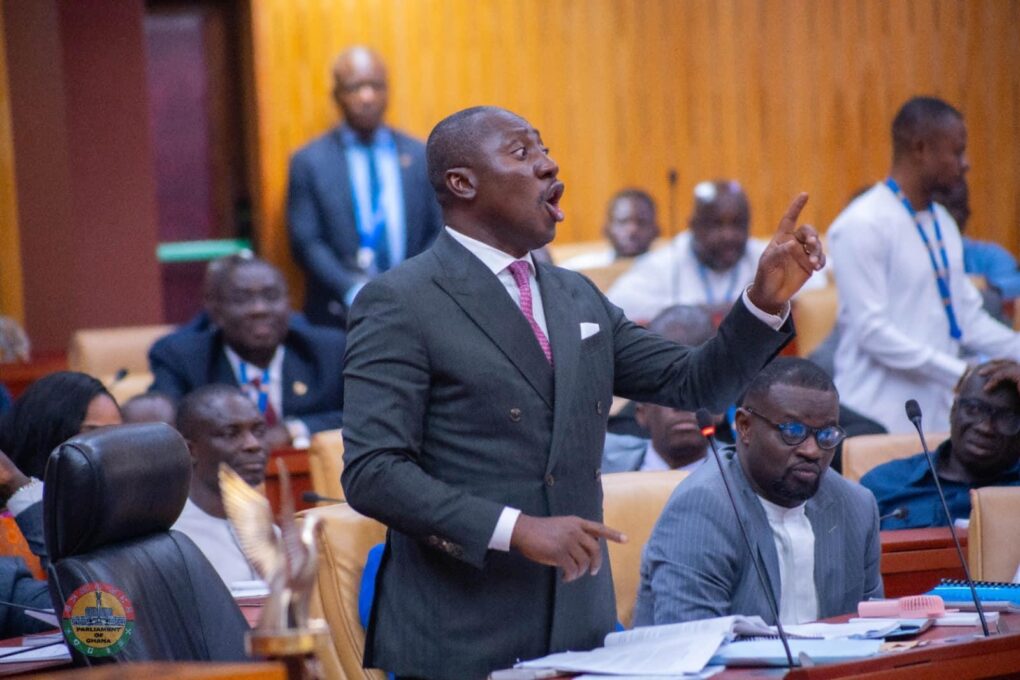
The Minority in Parliament has renewed its criticism of the Ghana Gold Board (GoldBod) over reported losses of about US$1.7 billion, equivalent to GH¢22 billion, under Ghana’s Domestic Gold Purchase Programme in 2025.
The Minority issued its response on Wednesday, August 19, 2026, following a statement delivered by the Chief Executive Officer of GoldBod during the Government Accountability Series. The response came a day after the Minority held a press conference questioning the financial and operational performance of the gold purchasing institution.
According to the Minority, the GoldBod response does not dispute the reported US$1.7 billion loss identified in the IMF Country Report No. 26/213. Instead, it argued that the GoldBod CEO mainly challenged where responsibility for the loss should lie.
The Minority maintained that the reported loss represents a cost to the state and must therefore be properly accounted for, regardless of which government institution carries the liability on its balance sheet.
Minority Questions GoldBod Fee Revenue
The parliamentary Minority also questioned GoldBod’s reported fee income from the Domestic Gold Purchase Programme.
According to figures cited in the GoldBod response, the institution accounted for approximately GH¢133 billion in advances in 2025 and received an assay fee of 0.258% as well as a service fee of 0.5%.
The Minority argued that these figures suggest GoldBod generated approximately GH¢1 billion in fees from the programme.
It further pointed to GoldBod’s reported GH¢907 million operational surplus, arguing that the surplus was lower than the fees earned from a programme that reportedly resulted in a GH¢22 billion loss to the state.
The Minority therefore questioned whether GoldBod’s operational surplus would exist if the agency fees associated with the programme were excluded.
GoldBod and Ghana’s Economic Performance
The Minority also challenged GoldBod’s position on the economic benefits associated with the Domestic Gold Purchase Programme.
It noted that GoldBod has been credited with contributing to developments including the 41% appreciation of the Ghana cedi, an increase in Ghana’s foreign exchange reserves and a decline in inflation.
The Minority argued that an institution that takes credit for economic gains from the programme should also accept responsibility when financial losses emerge.
Questions Over GoldBod Funding Arrangements
The Minority further raised concerns about changes in the funding structure for the Domestic Gold Purchase Programme.
According to the statement, responsibility for financing the programme reportedly shifted from the Bank of Ghana to the Ministry of Finance in July 2026, while GoldBod planned to begin independently raising funds from August 2026.
The Minority questioned the frequent changes to the funding model, arguing that three different funding arrangements within six months do not demonstrate a settled or sustainable financing structure.
Minority Demands Accountability Over GH¢22 Billion Loss
The Minority stressed that the reported GH¢22 billion financial loss contained in the IMF Country Report No. 26/213 must be properly investigated and accounted for.
It maintained that the issue involves public funds and therefore requires transparency, clear financial figures and accountability from the institutions responsible for the Domestic Gold Purchase Programme.
The Minority also criticised the tone of the GoldBod CEO’s response, particularly a reference to a “brothel,” arguing that such language was inappropriate in an official statement concerning the management of public funds.
The Minority said Ghanaians are demanding clear answers and financial figures regarding the GoldBod losses, rather than personal attacks or insults.

Source: newsthemegh.com